System design

Two containers, one loop, and a much stronger story.

BioLoop works best when the product stays focused. The refined system pairs a hydroponic farm container with a biomass-to-biochar and heat container, then builds a clear operating loop around public-sector use cases instead of trying to launch a whole resilience campus on day one.

Year-round greens Heat co-benefit Durable carbon storage
Two-module MVP Measurable outputs Phaseable expansion
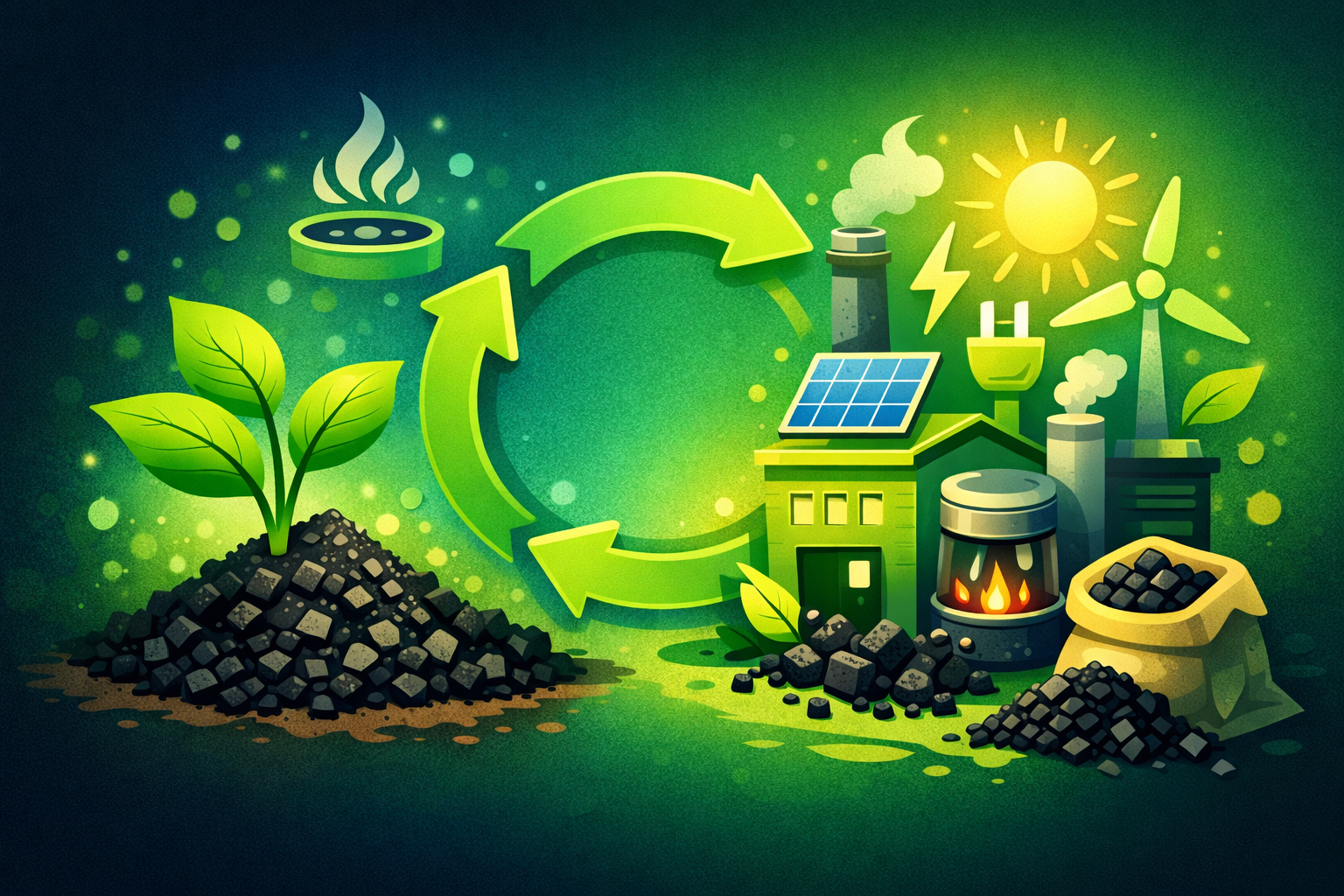
Circular BioLoop system diagram

The design principle

Keep the first version operationally tight: one site, one customer, one measurable circular loop.

Core modules

The refined BioLoop platform has a practical core and a disciplined expansion path.

Each module has a distinct job. The goal is not to impress judges with complexity. The goal is to show how a small town can buy, install, and understand the system quickly.

Hydroponic vertical farming module
Module A

Hydroponic farm container

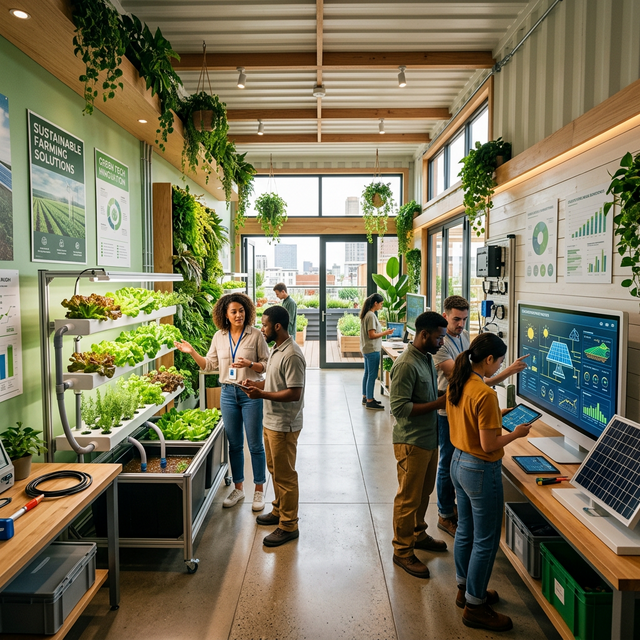
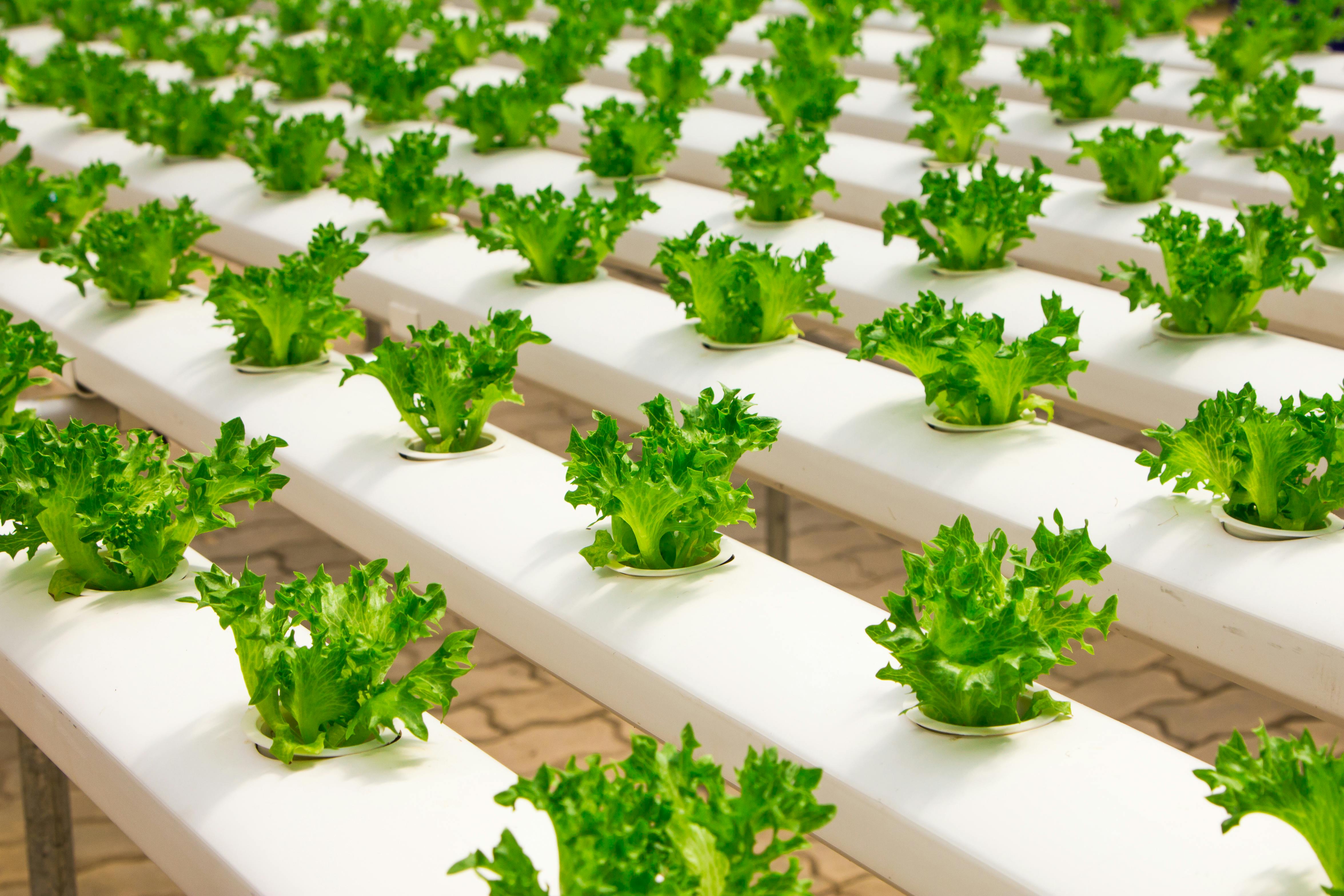
The farm module grows high-turn, high-value greens such as microgreens, herbs, and leafy vegetables in a controlled environment. This gives BioLoop a visible output that communities immediately understand: fresh, local produce that can serve institutions year-round.

  • Uses recirculated water and controlled nutrient delivery to improve efficiency.
  • Provides predictable production windows for schools, grocers, and food access partners.
  • Creates a public-facing symbol of local resilience rather than a purely back-end utility asset.

Biochar and heat module
Module B

Biochar and heat container

The second container receives dry biomass such as wood chips, brush, and agricultural residues. It converts that material into useful heat and stable biochar, transforming a disposal burden into a local value stream with climate relevance.

  • Supports a municipal narrative around waste diversion and lower-value residue utilization.
  • Creates a durable carbon product that can be sold, applied, or measured as stored carbon.
  • Adds a practical energy co-benefit that pure food projects usually cannot offer.
Training and future expansion concept
Phase 2 pathway

Training and productization after proof

Workforce training and carbon-infused products still belong in the BioLoop vision, but they become second-stage extensions rather than part of the initial burden. This is how the concept stays ambitious without becoming unrealistic.

  • Biochar can later feed planters, blocks, or other small-format product experiments.
  • Operators and students can eventually use the site as a local sustainability training environment.
  • The expansion story becomes credible because it follows proof instead of preceding it.
Operating loop

How BioLoop creates circular value without becoming operationally chaotic.

The system is intentionally simple: a repeatable flow of feedstock, conversion, production, and local offtake. That clarity matters for both feasibility and presentation.

Step 01

Secure a municipal site and a consistent dry biomass stream.

BioLoop performs best at public works yards, transfer stations, or industrial lots where towns already manage materials and can control access, utilities, and operations.

Step 02

Convert biomass into usable heat and stable biochar.

The energy module handles the town’s feedstock logic. Instead of treating organic residues as a cleanup cost, BioLoop treats them as a structured input into a higher-value system.

Step 03

Grow visible, year-round greens for local institutions.

The farm module generates the easiest public proof of value: fresh food that can be weighed, delivered, photographed, and connected directly to community outcomes.

Step 04

Use data to report diversion, production, and climate outcomes.

Municipal leaders need evidence, not just enthusiasm. BioLoop’s operating model is designed around simple metrics that can be tracked and communicated without a complex analytics stack.

Step 05

Layer in advanced uses only after the core loop works consistently.

This is where manufacturing partnerships, training programs, and broader circular-economy applications can be introduced without undermining the first-year execution story.

Outputs

BioLoop is compelling because each output matters to the same town in a different way.

The value of the system is not only environmental. It is operational, civic, educational, and economic. A town does not need to believe in one giant moonshot. It only needs to see several useful results from one compact installation.

Food output

Local greens for institutions

BioLoop can supply schools, food banks, public programs, and nearby grocers with premium greens that no longer depend entirely on long-haul sourcing.

Climate output

Durable carbon in biochar

The biochar pathway gives the pitch a credible carbon story. It also creates a product that can be sold, applied locally, or tracked as part of a measured climate-benefit narrative.

Energy output

Useful heat as a municipal co-benefit

Heat gives BioLoop a differentiator that typical vertical farm concepts lack. It broadens the value case beyond produce and makes the system feel more like infrastructure than a niche agriculture project.

Economic output

Multiple pathways to local value

Municipal service fees, produce sales, and biochar revenue create a more balanced model. That layered structure is stronger than relying on one heroic revenue assumption.

Social output

Visible pride and practical learning

Because the MicroHub is tangible and local, it can support tours, demonstrations, youth engagement, and eventually hands-on workforce exposure without overpromising a full training business on day one.

Strategic output

A template that can be repeated

The real scale opportunity is not one giant flagship. It is a repeated deployment model towns can adapt around the same core hardware, partner map, and reporting framework.

Why this is realistic

BioLoop is ambitious, but it is not being pitched as magic.

The product story is grounded in modular equipment categories that already exist. What BioLoop adds is the market framing, the municipal use case, and the circular integration logic that ties the modules together in a disciplined way.

  • Containerized farming already has commercial deployment models and predictable operating routines.
  • Containerized biomass-to-biochar and heat analogs provide a credible technical backbone.
  • Municipal pilots can start with measured throughput and limited scope before broader replication.
Design discipline

One product, not six

That single decision improves the pitch, the feasibility score, and the credibility of the operating plan.

Buyer clarity

One primary contract

The municipality anchors the first-year model, while produce and carbon value remain supporting economics.

Expansion logic

Prove, then extend

Future microfactory and training elements become strengths because they are phased, not because they are crammed in early.

The BioLoop system page answers one question clearly: what exactly are we building first?

That clarity is what turns BioLoop from an inspiring concept into a credible venture. The next step is to show why this focused version performs better on strategy and competition fit.